
Key Takeaways
- Baymard is launching a new ecommerce UX theme: Loyalty UX
- This theme draws on both large-scale qualitative and quantitative research
- In addition to 12 new Loyalty guidelines, we’re releasing 8 new Loyalty Strategic Briefs that feature over 25 data visualizations to offer a broader perspective on Loyalty UX
At Baymard, our research team has spent over 1,900+ hours usability testing and researching “Loyalty Program” features, layouts, content, and designs.
This Loyalty Program UX qualitative research is based on more than 350 participant/site usability test sessions following the “Think Aloud” protocol (1:1 remote moderated testing).
As a result of our qualitative research findings we’ve now published 12 Loyalty UX guidelines.
Also, for this theme we’ve undertaken a large-scale quantitative study, surveying 2,003 US adults who are members of at least one Loyalty program.
Our quantitative research has resulted in 8 Loyalty Strategic Briefs — a new way of providing insight into a UX topic that combines data visualizations with narrative analysis.
Below we discuss high-level insights from our research into Loyalty Program UX.
Loyalty Programs: Users Need to Be Encouraged to Join and Engage with the Programs
First, it’s important to note that Loyalty programs are not a must-have for all ecommerce users.
Many users focus primarily on finding suitable products and are prepared to shop around on many relevant sites to find suitable products at a price point that suits them.
![Internal expectations often assume a larger addressable audience than actually exists. Calibrate goals around the 75–80% of users who are open to joining, with further segmentation based on likelihood of active use. Even best-in-class loyalty programs don’t reach everyone: American Airlines reported in 2025 that 25% of their premium cabin revenue came from non-members [1].](https://baymard-assets-cdn.imgix.net/research/media_files/attachments/165918/original/research-media-file-4e0e77d62a87786cf0e3c12115a156d7.jpg?auto=format&dpr=2&fit=max&q=50&w=880)
Internal expectations often assume a larger addressable audience than actually exists. Calibrate goals around the 75–80% of users who are open to joining, with further segmentation based on likelihood of active use. Even best-in-class loyalty programs don’t reach everyone: American Airlines reported in 2025 that 25% of their premium cabin revenue came from non-members [1].
Indeed, to state it plainly, our survey research indicates that a substantial portion of your site’s visitors will never join a Loyalty program — no matter the incentives (see #LY004: Self-Reported Engagement Levels among Loyalty Program Participants).
Thus, appropriate expectations should be set for how many Loyalty program participants should even be considered attainable — and your site’s participation goals should reflect this fact.
That said, our research also shows that a subset are open to the idea of joining Loyalty programs, and another cohort will stay with the program once they feel there is value in doing so.
The key to growing Loyalty programs lies in both incentivizing new participants and, once a user joins a Loyalty program, carefully designing various aspects of the Loyalty experience to ensure they stay engaged.
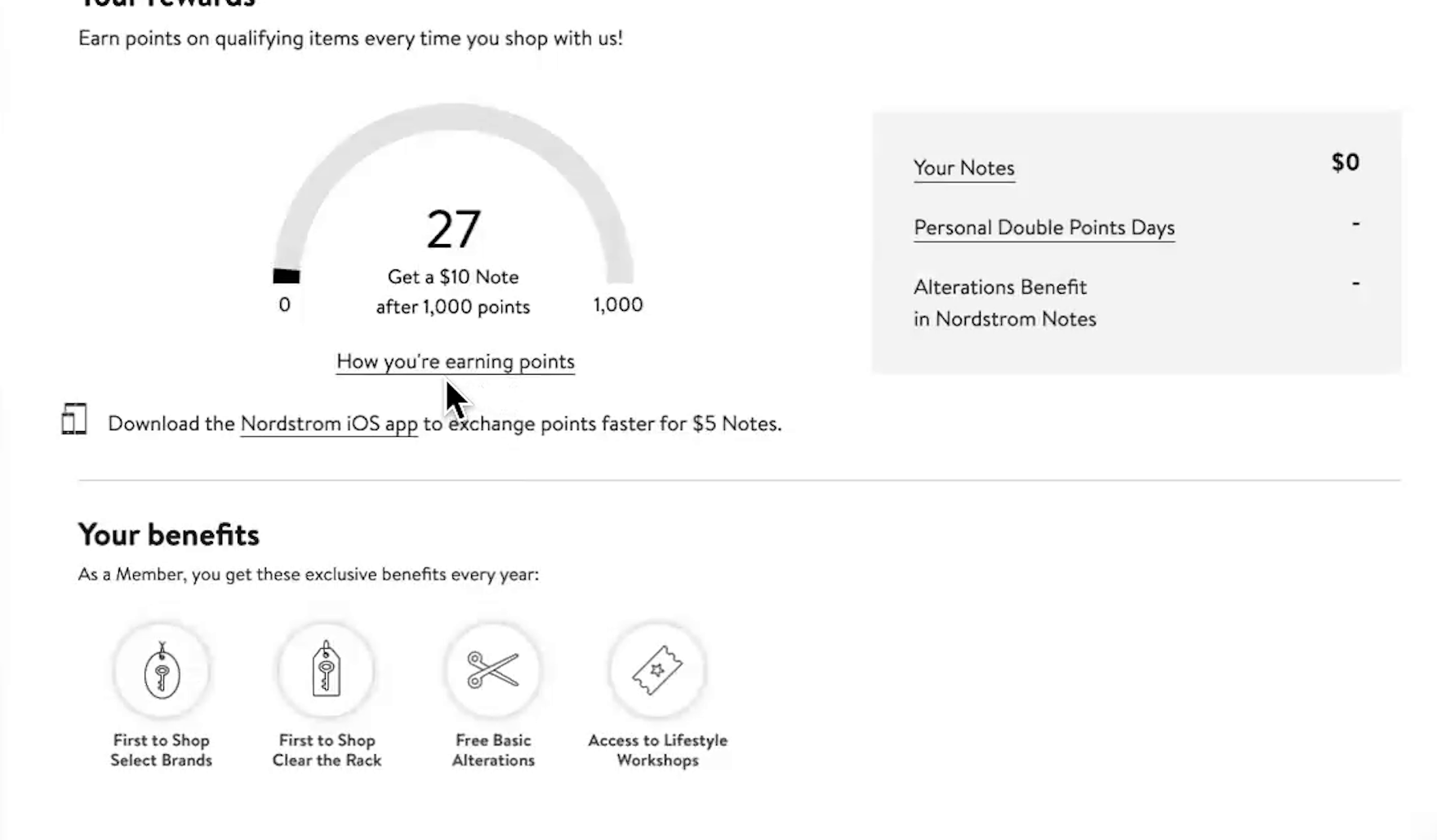
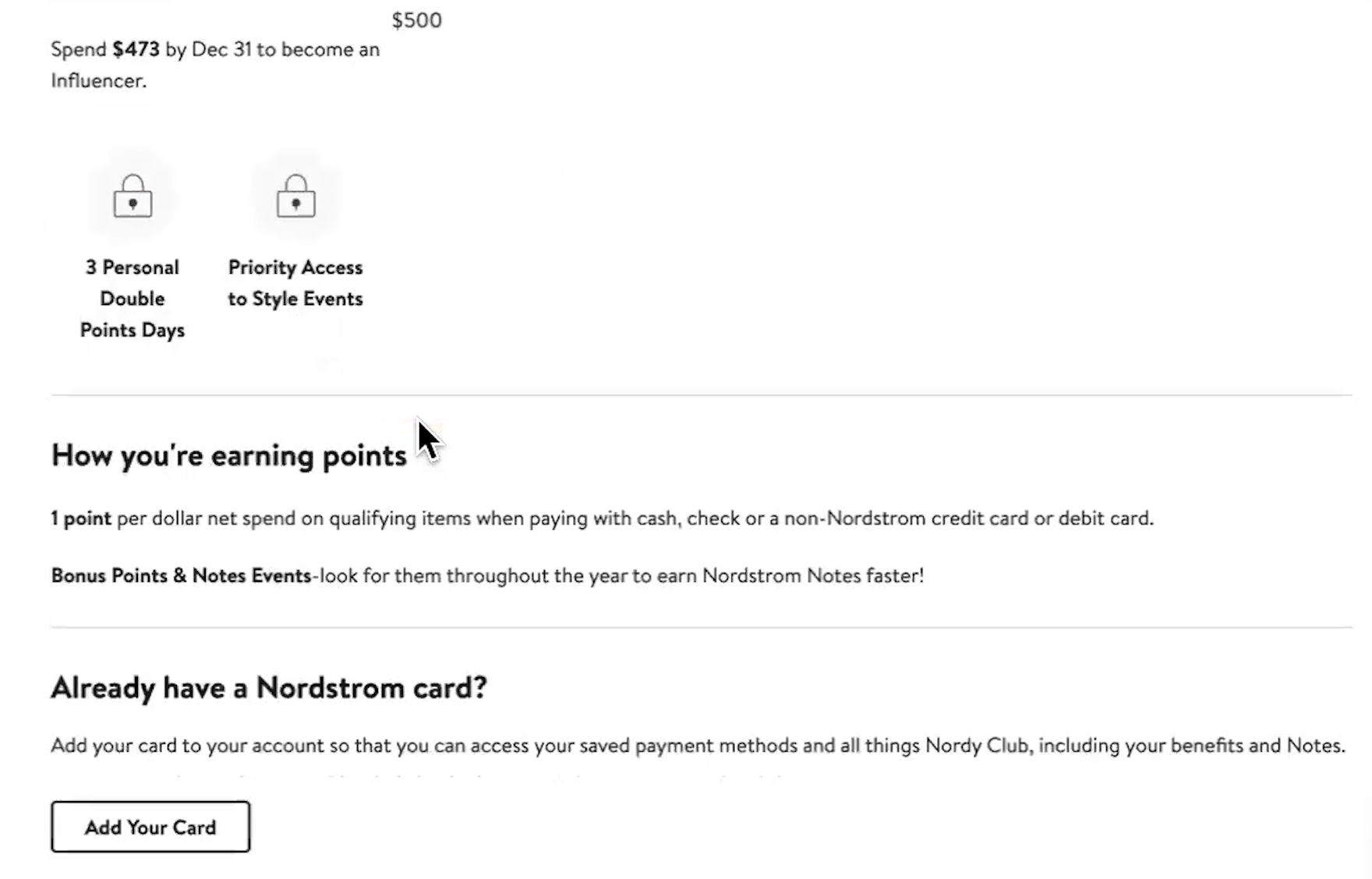
“’How you’ll be earning points’. Yeah, I see my points, but I don’t think it’s very clear in terms of which specific order contributed to the points here.” This test participant on Nordstrom was disappointed after clicking on “How you’re earning points” (first image) but couldn’t see her points history as she expected (second image). When users can’t find their points history, they are likely to lose track of how their orders contributed to their points totals. (See guideline #3141)
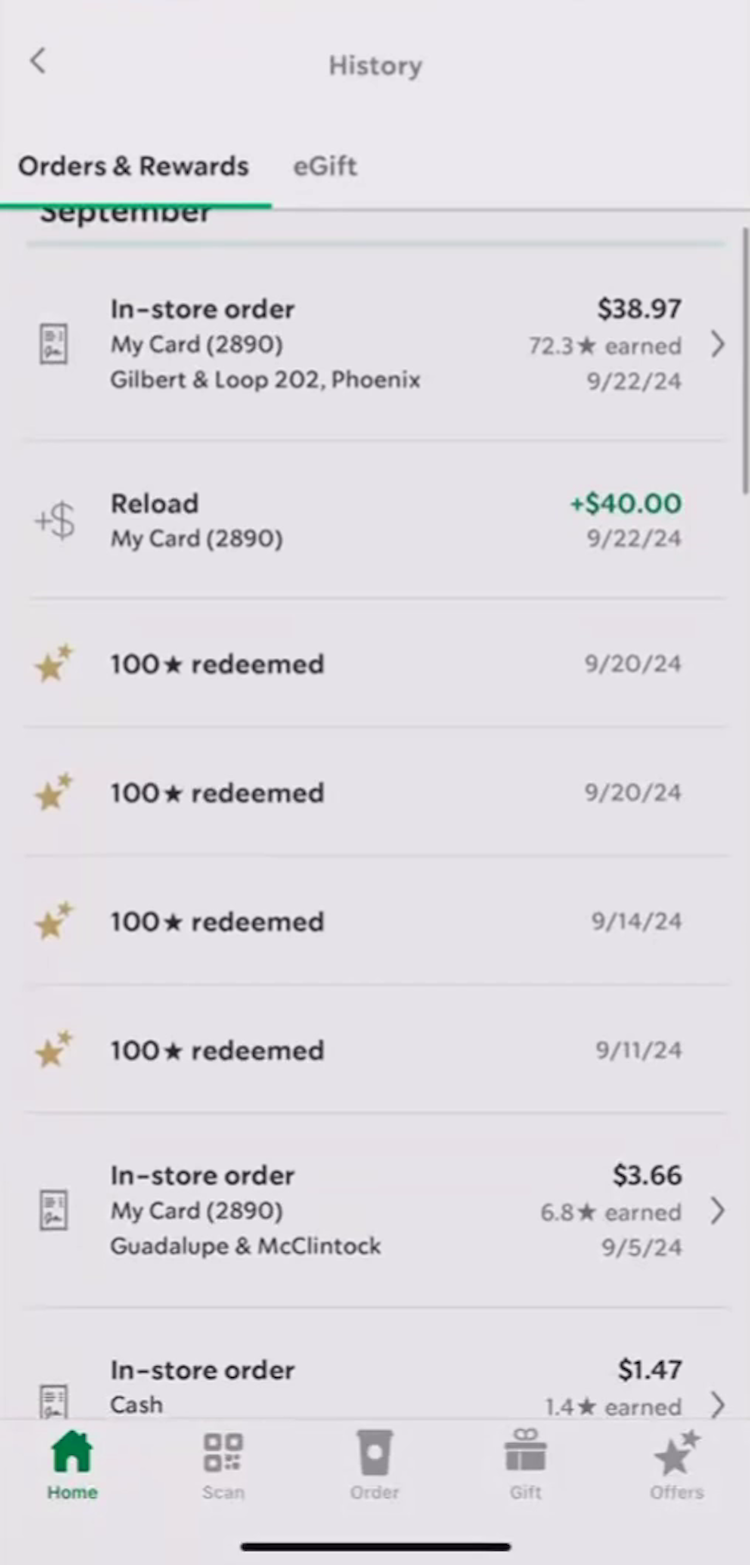
“It tells me how many ‘Stars’ I redeemed in each order. So my most recent order, 72 ‘Stars’. And so we had several days in a row where we just got 100-star coffees. It also tells you when you reload your card.” This test participant had no trouble working out how many ‘Stars’ (points) he earned and redeemed on Starbucks (Android) as there was a comprehensive list of transactions provided.
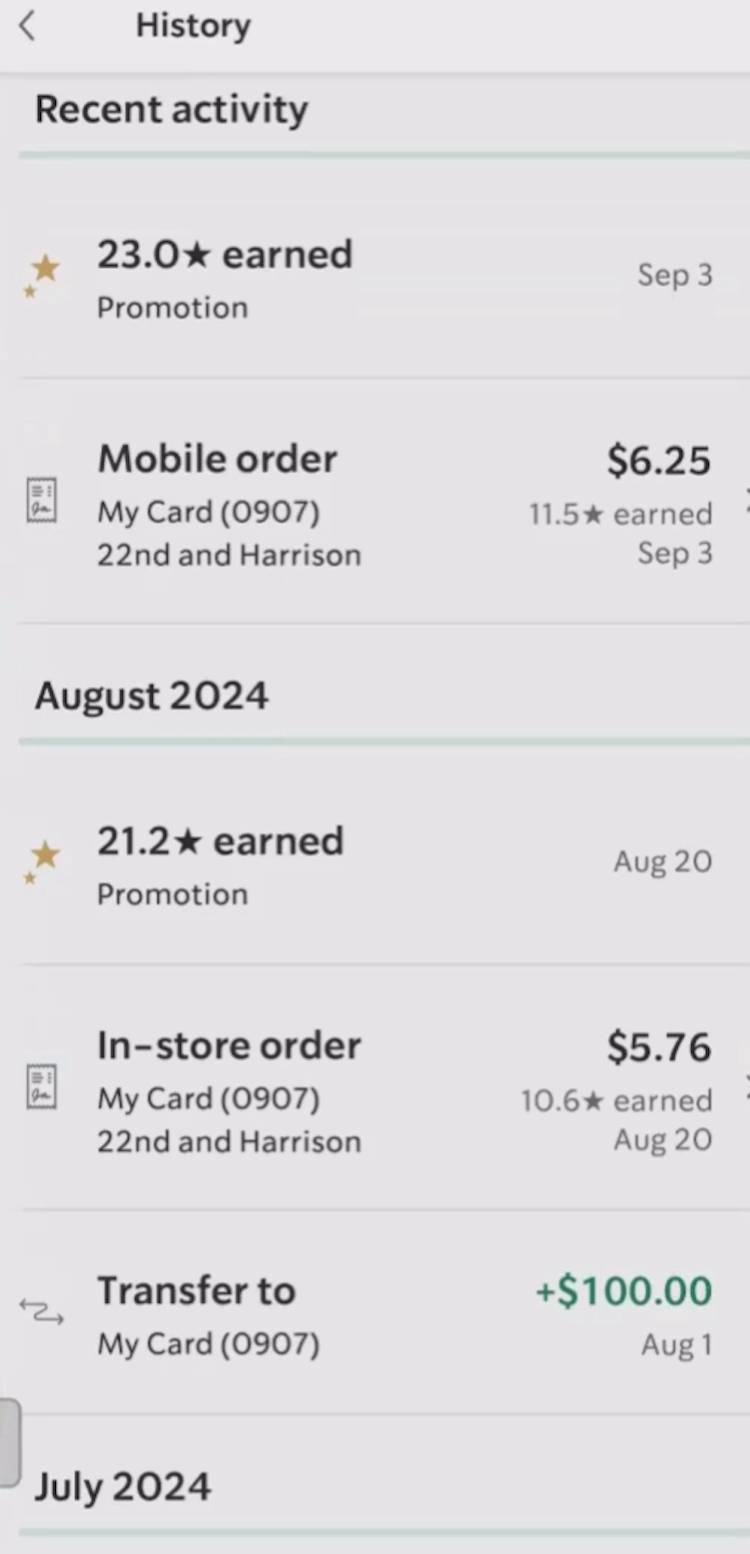
“Okay I’ll go to transaction history and that’ll tell me everything like all my orders and how many points I earned. Okay 11.5 (‘Stars’) back on September 3rd, 10.6 back on August 20th.” Another test participant found it equally easy to confirm her points earned on Starbucks (iOS).
For example, the ability to earn points is a key factor for many Loyalty program members and they need to be kept up-to-date with how many points they have, how to earn more, and how much those points are worth.
Plus, they need to be confident that the transactions they have completed have actually contributed to their points balances as expected.
In addition to Loyalty points UX, our qualitative Loyalty research describes how to optimize Loyalty tiers, Loyalty communications, and Loyalty sign-up incentives for users.
New UX Insights Via Strategic Briefs
As mentioned above, in addition to 12 new UX guidelines (familiar to regular Baymard readers), we’re also introducing new Loyalty: Strategic Briefs.
Strategic Briefs are intended to be broader and more directional than guidelines.
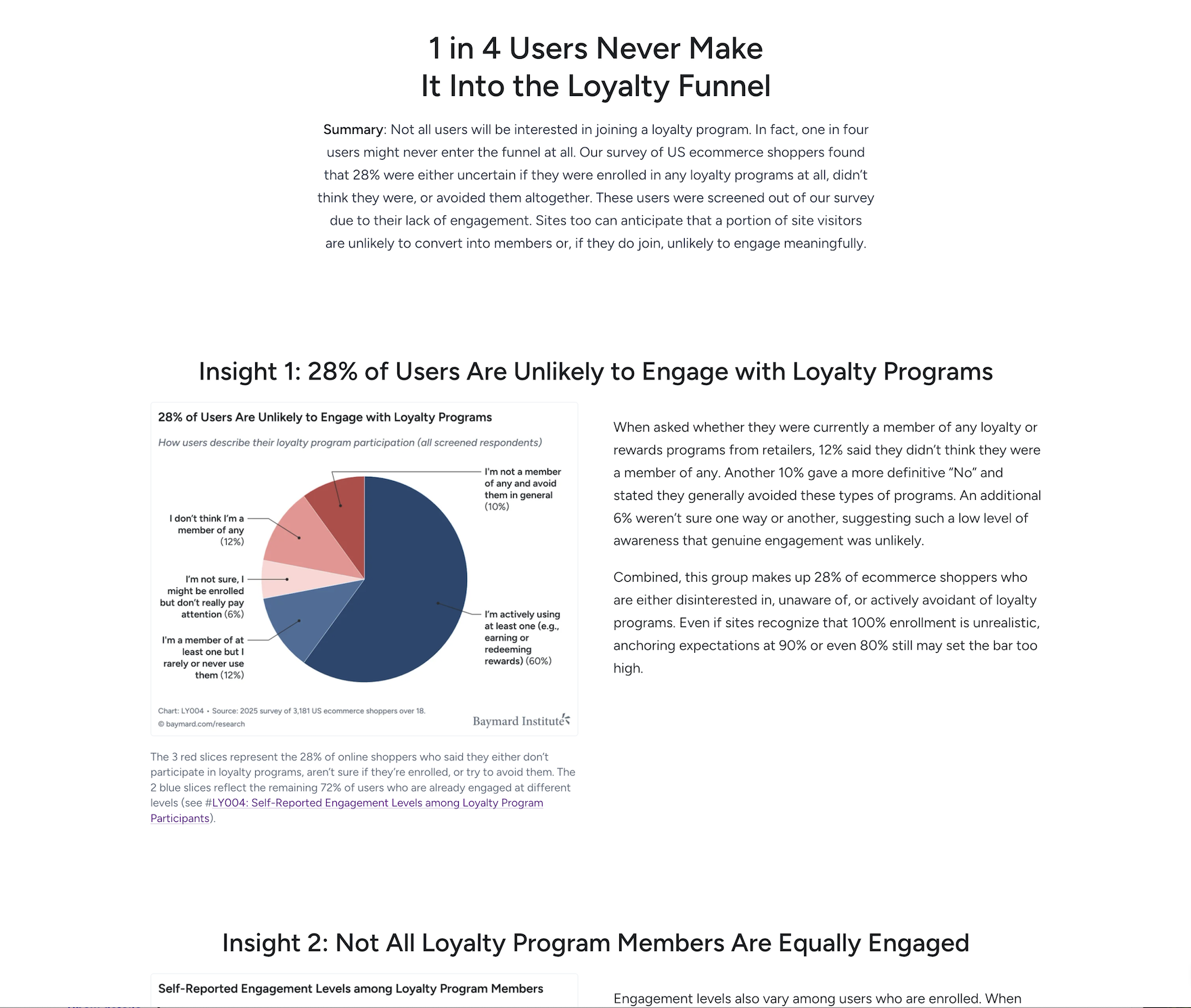
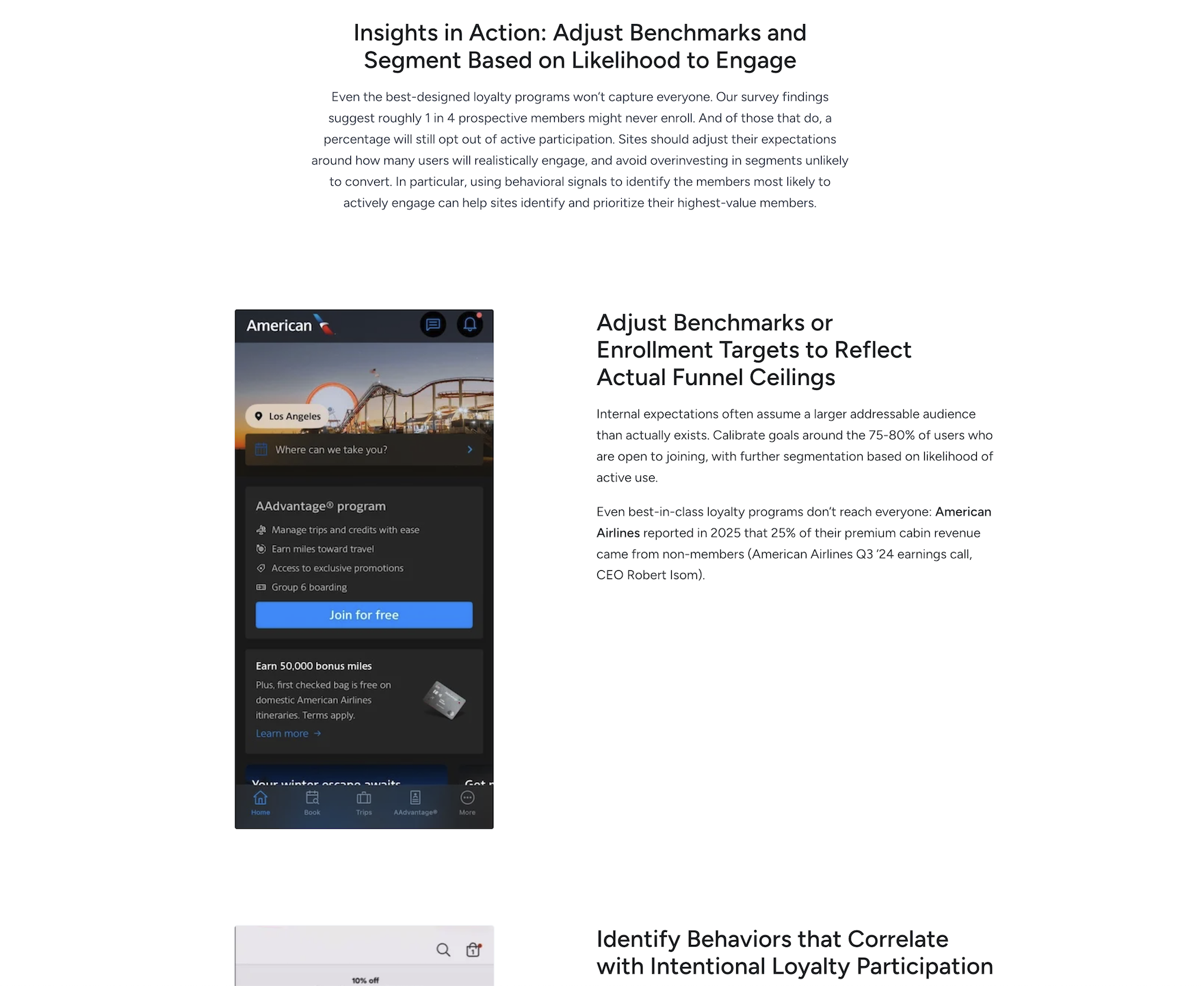
Strategic Briefs can help decision-makers set the strategic goals for a site’s Loyalty program. (For example, see #LYB21: 1 in 4 Users Never Make It Into the Loyalty Funnel)
Rather than recommending specific design changes, the Briefs provide a high-level overview of user/respondent opinions on a variety of Loyalty topics.
The Briefs can help decision-makers set the strategic goals for a site’s Loyalty program and provide insight into how users view specific aspects of Loyalty programs.
Each Strategic Brief includes charts representing survey responses and analysis of what the data mean for a site’s Loyalty strategy.
The analysis provides 1 or more “Insights” on a specific Loyalty topic, based on survey responses.
Additionally, the analysis provides “Insights in Action”, where specific high-level recommendations are made, designed to improve a site’s Loyalty program for potential and current Loyalty members.
These “Insights in Action” are supported with screenshot examples from test sites’ Loyalty interfaces and features.
Win Users to Your Loyalty Program — And Keep Them as Active Members
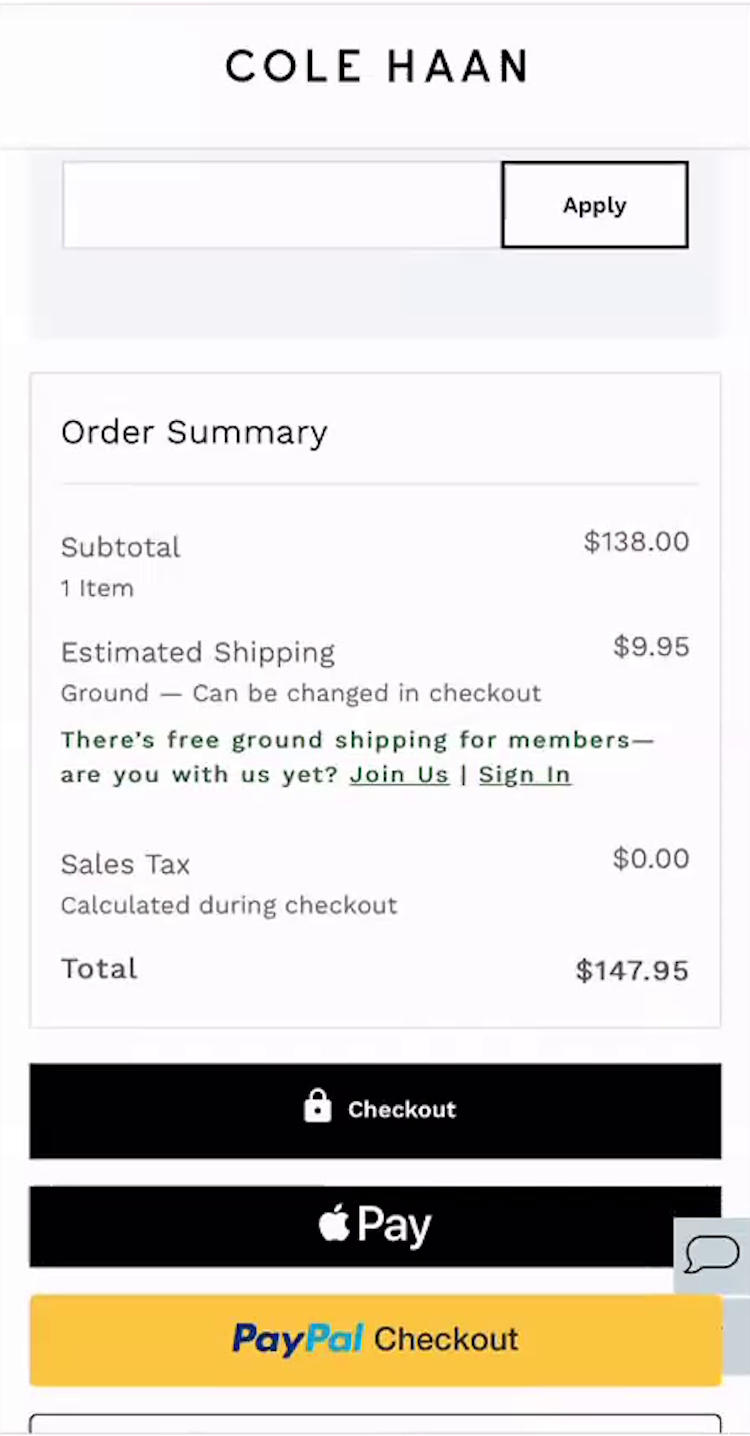
“I’ll just join and make an account just because I would get free ground shipping.” All of the test participants on Cole Haan (like this one (iOS)) said they would sign up for the Loyalty program when they saw that there was “Free ground shipping for members”. (See guideline #2943)
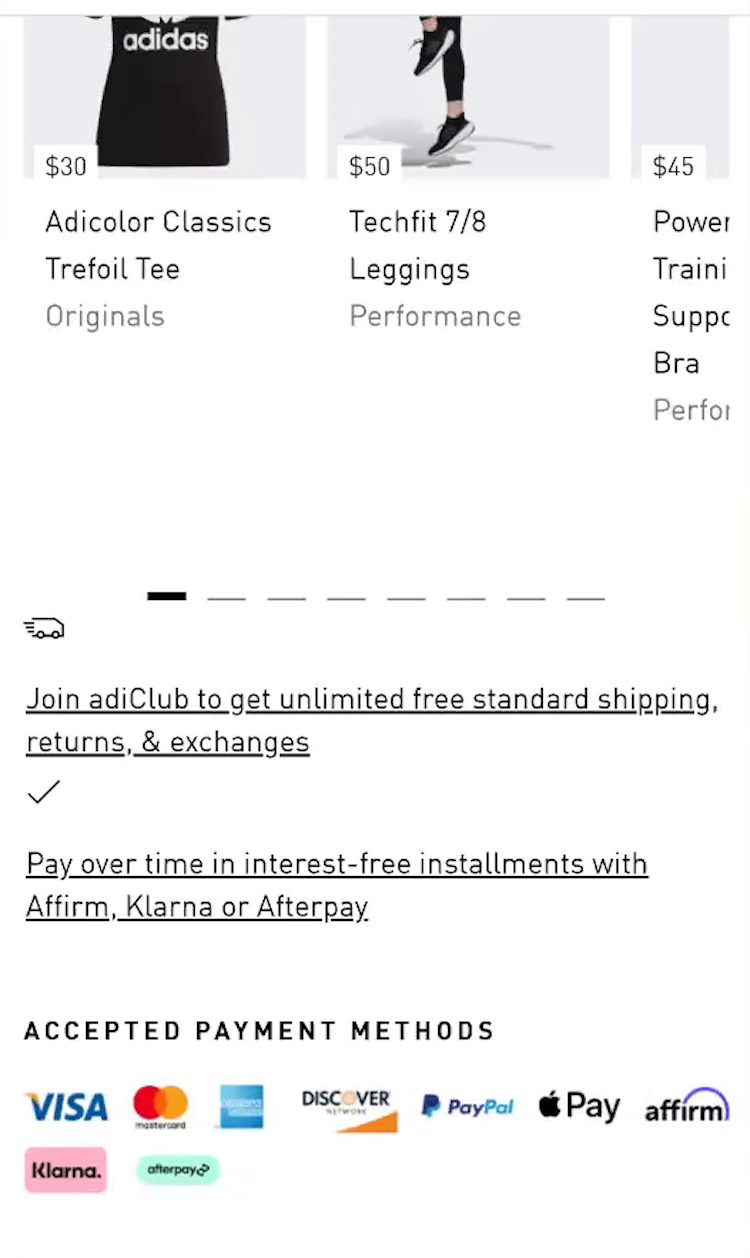
“They do have the ‘Join the membership club for free shipping’…I do frequently shop there, so I would, at this point, be interested in signing up.” Free shipping was also the direct cause of this participant’s decision to join the Adidas Loyalty program (Android).
Loyalty programs have the potential to transform a user’s relationship with a site.
Indeed, the best Loyalty programs are a win-win for users and sites: users get desirable perks for their membership and sites have a cohort of reliable customers who routinely return to make purchases.
But to realize this relationship takes careful design of the onboarding process to the program, as well as the features and interfaces presented to established Loyalty program members.
Failure in either will result in fewer users joining Loyalty programs, and more users failing to engage routinely.
On the other hand, as our research shows many users are open to both joining and staying engaged with Loyalty programs with sign-up incentives, clear messaging, and design and information that supports user engagement.
Getting access: our Loyalty UX guidelines and Strategic Briefs are available today within Baymard. (If you already have access through an account, open the Loyalty & Rewards study).

